
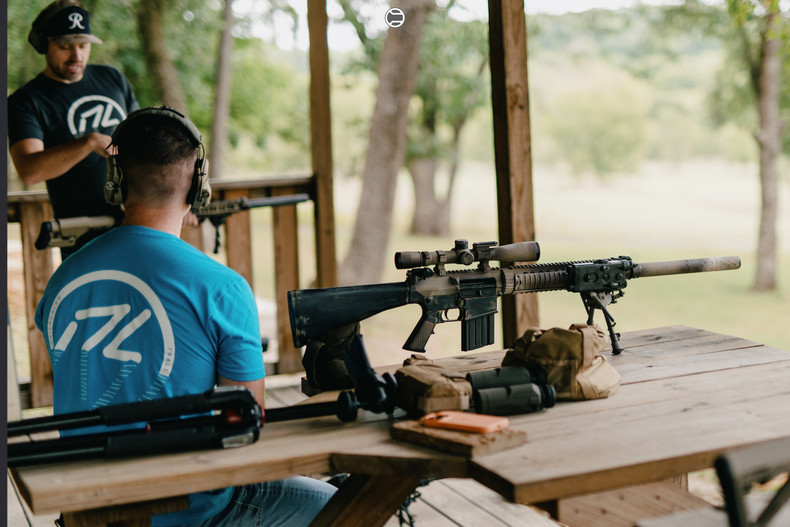
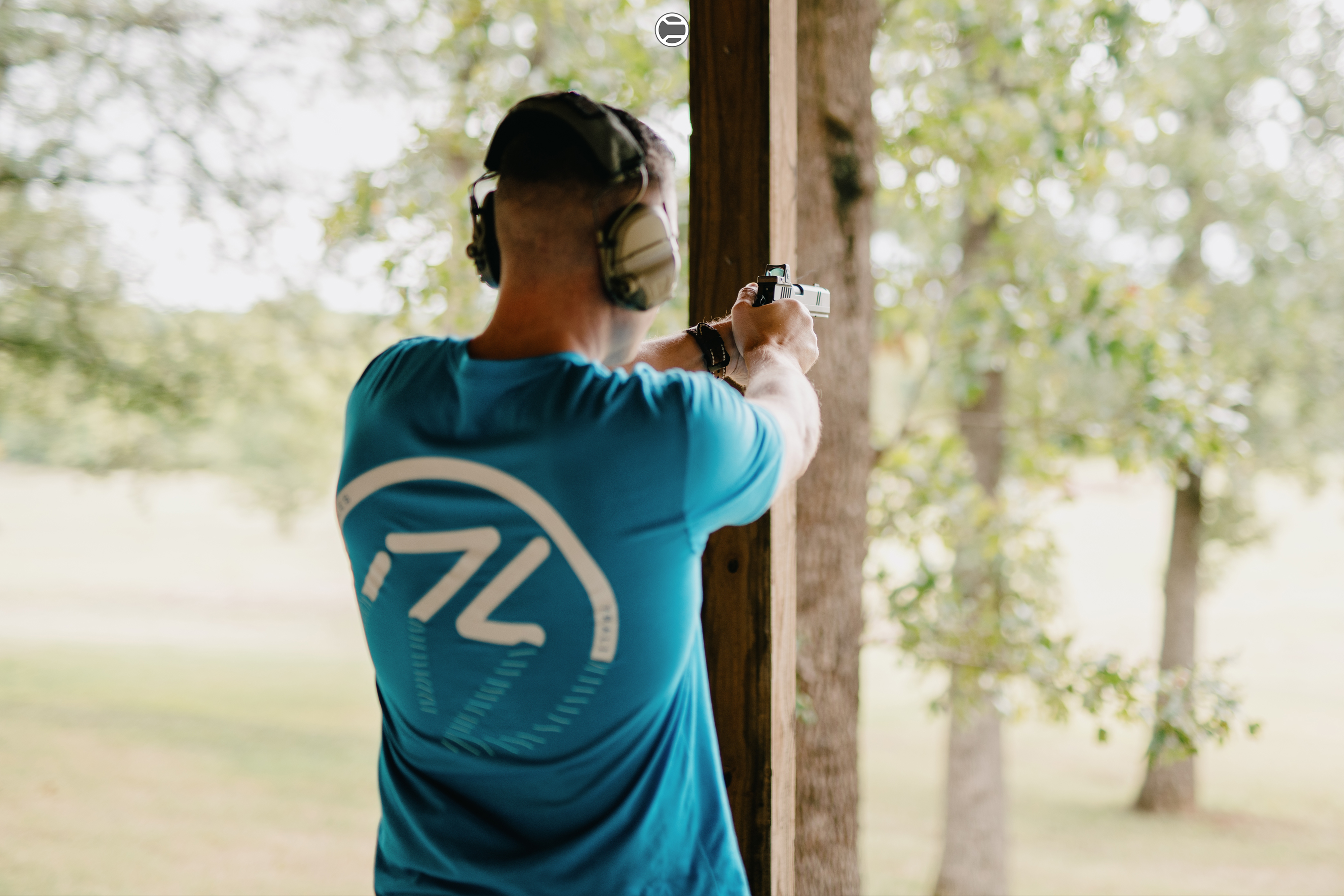
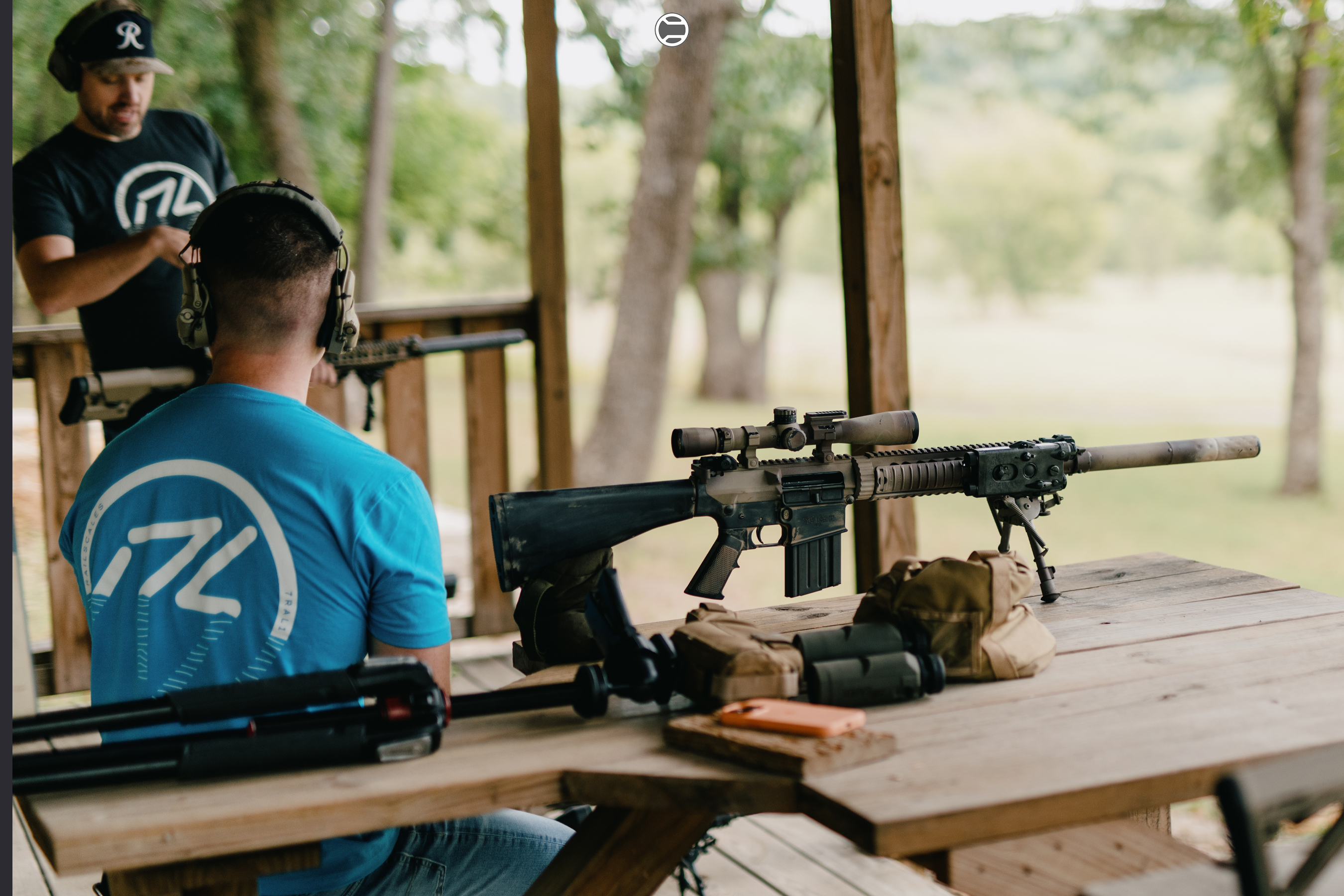
When you were a kid, do you remember how exciting it was go get a new toy? If you were like most kids, you wanted to immediately rush home and break it out of the packaging; any other responsibilities you might have had could wait. Purchasing a new firearm can bring about some really familiar feelings. Once you’ve done your research, talked to friends, and tested a few different options, all that’s left is to fill out the paperwork and take your new firearm home — or head straight to the range. Over the course of the next few months, you’ll probably make several more range trips to build up that valuable muscle memory for your new firearm. But that’s it, right? Firearms Training Even if it isn’t a requirement in your state, an introductory gun safety course is highly recommended. But, for many, that’s the only formal training they’ll ever receive outside of requirements to get a concealed carry license, which is really a pity.
Gun Safety and Firearms Training
A gun safety class will focus on just that: gun handling and ammunition safety. But there are a wealth of different gun types out there that have different handling requirements. Firearms training is, first and foremost, a great way to learn the ins and outs of different types of guns. You’ll handle a pistol very differently than you would a rifle — obviously — and firearms training can start you off with a solid foundation in terms of stance, grip, and so on for each different type. Sure, your buddy may be able to teach you the basics, but a trained instructor will be able to explain the minutiae. But, even beyond the basics, there is an abundance of different firearms training courses you should consider taking to improve your skills as much as your safety.
Common Firearm Course Offerings
Some of the most common course offerings include: Home Defense Safety Many firearms owners keep a gun (or a handful of guns) to keep their home and family safe, should the need arise. It’s important that everyone who will be handling a given firearm should be able to comfortably and safely use it, which means regular range time. But shooting in a range with time to get into your stance, fidget with your grip, and take aim is a wholly different experience than using a firearm to defend your home. A home defense firearms safety course will cover the basics of gun safety, including use and storage, but it will also cover things you may not have considered, like firing from cover and speed of gun deployment. It will also get into different considerations depending on the type of gun you keep for home defense.
Personal Protection
Generally, personal protection firearms courses are boiled down to whatever is required to obtain a concealed carry license. But personal protection goes beyond the basics. It can include both indoor and outdoor training as well as things like low light training, room entry, vehicle-based incidents, and even tactical/emergency medicine training when you go beyond the basic course. The idea is to provide personal protection firearms training that will help you prepare for real-world situations, not just handle your firearm on a range. Ultimately, the aim is to help you react well and be as safe as possible when handling a concealed-carry firearm. Shotgun, Rifle, & Pistol Training
Subsets of Firearm Training
As we mentioned above, many firearms training programs will offer courses in each of the different subsets of guns. At the core, each different course will teach things like proper stance and grip when standing, kneeling, sitting, or prone as well as safety and marksmanship fundamentals. With a rifle, it may mean learning to use a fixed iron sight so you have the fundamentals in any instance your other optics don’t work or can’t be used (for whatever reason). We suggest doing individual courses for each of the types of firearms you own as a way to ensure proper handling as well as a way to hone your skills. Firearms training options can also extend into tactical skills as well as the sort of training that will get you started before diving into shooting competitions. These courses can give you the basics and help you grow from there. It’s also a great way to learn to use accessories and grip assistants properly. Before your next course, grab the hand stops, rail scales, and a fixed iron sight to get prepared.
Specialized Firearms Training Courses
Beyond the basics, there are several tiers of training designed to help you react well in real-world situations.
Home Defense Safety
Defending your home is a wholly different experience than shooting at a static range. A home defense course goes beyond use and storage to cover essential tactical considerations:
-
Speed of Deployment: Learning how to quickly and safely access your firearm under stress.
-
Firing from Cover: Understanding how to use your home’s layout to your advantage while maintaining accuracy.
-
Family Safety: Ensuring everyone in the household can comfortably and safely handle the defensive firearm.
Personal Protection and Concealed Carry
While most personal protection is boiled down to concealed carry license requirements, true proficiency involves much more. Advanced courses prepare you for vehicle-based incidents, room entry, and even emergency medicine. Low-light training is particularly vital, as many defensive encounters occur in diminished lighting where identifying targets and navigating obstacles becomes significantly more difficult.
Shotgun, Rifle, and Pistol Mastery
Each platform requires a unique skillset. Mastery involves learning proper marksmanship and safety fundamentals from various positions, including standing, kneeling, sitting, and prone.
-
Rifle Fundamentals: Training often includes learning to use fixed iron sights. This ensures you have a reliable backup in any instance where your primary optics fail or cannot be used.
-
Tactical and Competitive Skills: Specialized courses can prepare you for the rigors of shooting competitions or tactical scenarios, teaching you how to use AR accessories and grip assistants properly.
Optimizing Your Training Setup with RailScales®
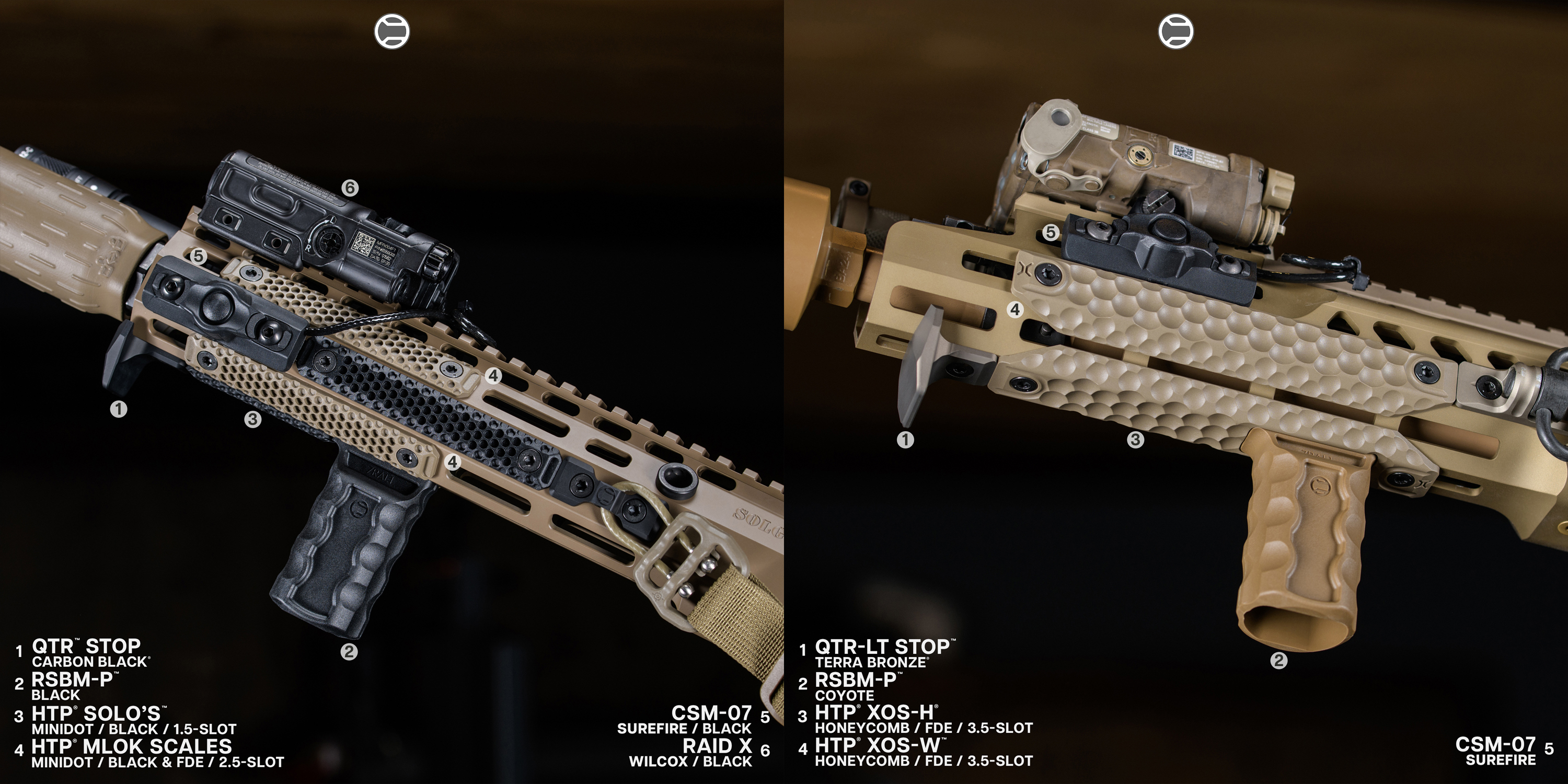
High-level training is the best time to learn how to use hardware to your advantage. RailScales® provides the professional-grade accessories needed to refine your grip and control during these intensive sessions.

-
G10 RailScales®: These rail panels provide the necessary friction for a consistent grip across all shooting positions.
-
HTP® NIR™ Scales: For low-light and night-vision training, these scales are fully NIR-compatible, ensuring your rifle maintains a low infrared signature.
-
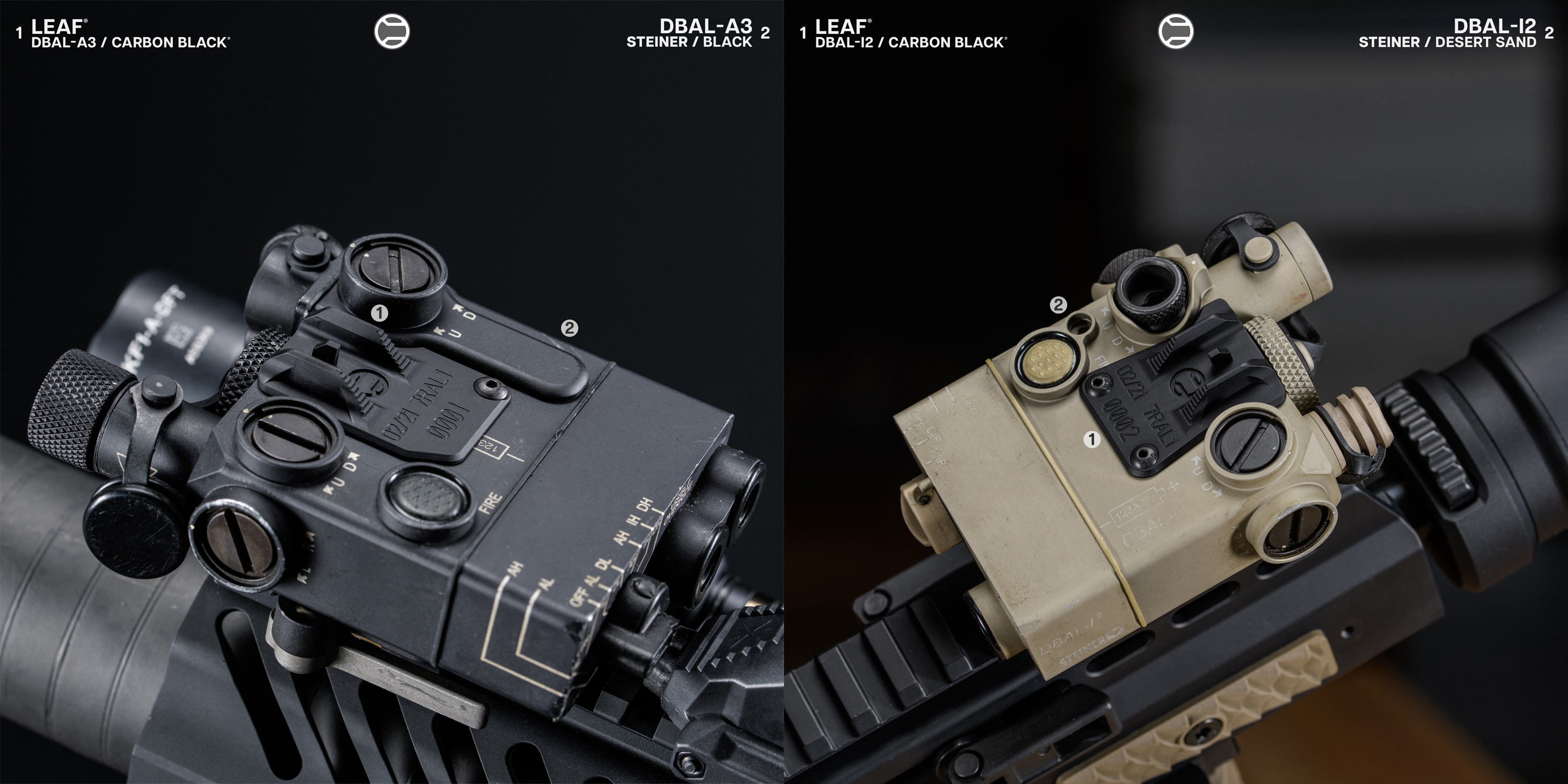
LEAF® Fixed Iron Sights: Designed to mount directly to your laser module, these sights provide the essential fundamentals mentioned in rifle training while reclaiming valuable rail space.
-
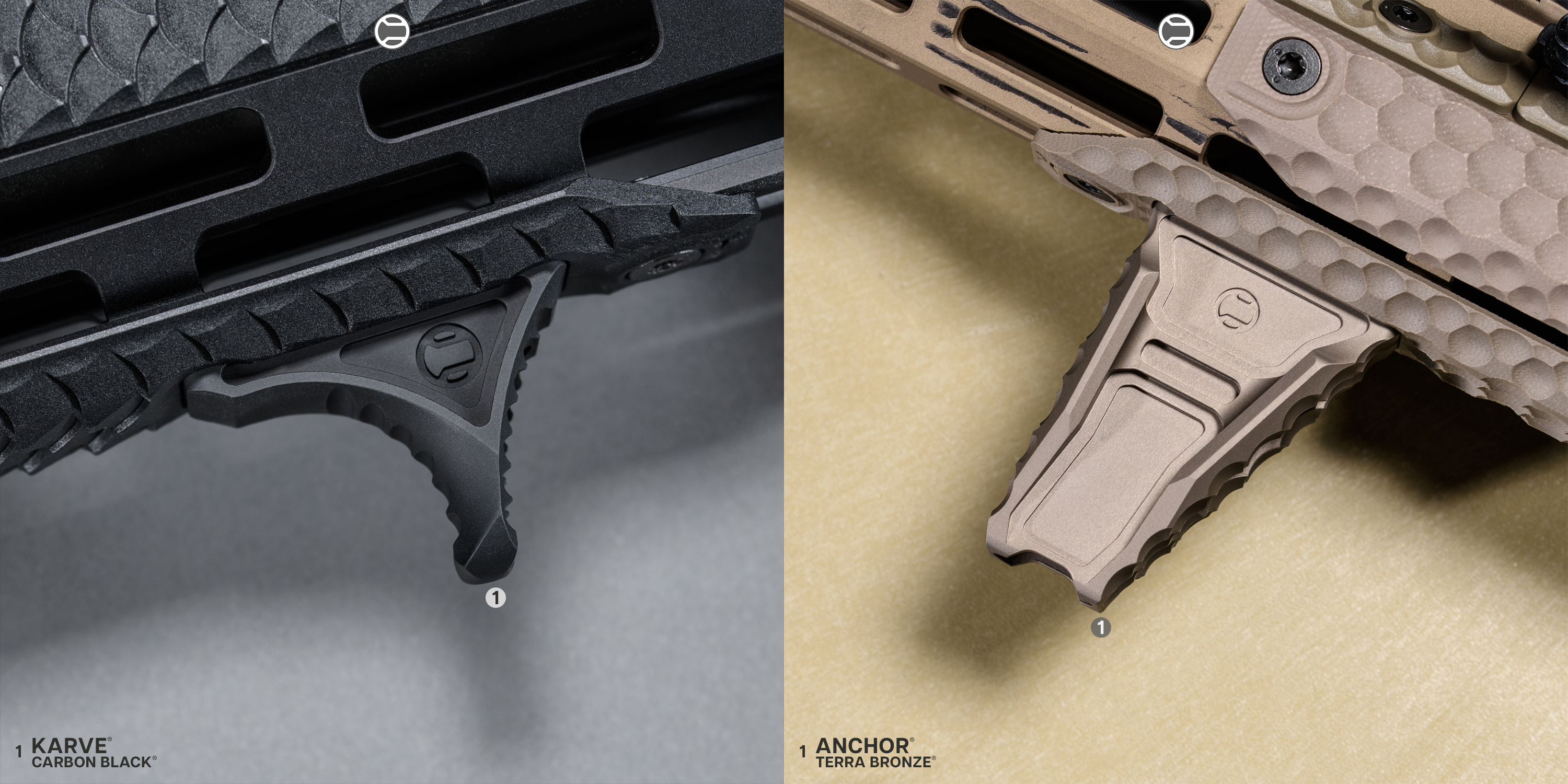
The Anchor® and Karve®: These hand stops and vertical grips act as "grip assistants," helping you maintain a repeatable, rock-solid stance during rapid-fire drills.
Frequently Asked Questions About Firearm Training (FAQ)
Q: Why should I take a course if my friend can teach me for free? A: While friends can teach the basics, a trained instructor can explain the minutiae of stance and grip that a casual shooter might overlook.
Q: Do I really need to train with iron sights if I have a high-end red dot? A: Yes. Marksmanship fundamentals with fixed iron sights ensure you remain effective if your electronics fail or environmental conditions render optics unusable.
Q: How does a home defense course differ from regular range time? A: Range time focuses on accuracy in a controlled environment, whereas home defense training introduces speed, cover, and the tactical use of your specific home layout.
Q: Can these accessories actually help with my training? A: Absolutely. Using hand stops and rail scales properly allows you to build more consistent muscle memory by providing tactile indexing points for your hands.
Prepare for Your Next Level of Training
Before heading to your next advanced course, ensure your rifle is equipped to handle the pressure. Shop RailScales® online today for the handstops, rail scales, and fixed iron sights you need to succeed!
Disclaimer:
This blog content was generated by a human and with the aid of artificial intelligence. It may contain errors or inaccuracies and should not be relied upon as a substitute for professional advice. This content is for SEO/entertainment purposes only and the views expressed in this content does not necessarily reflect the views of RailScales LLC. For more information, please refer to bullet point #13 on our FAQ.