
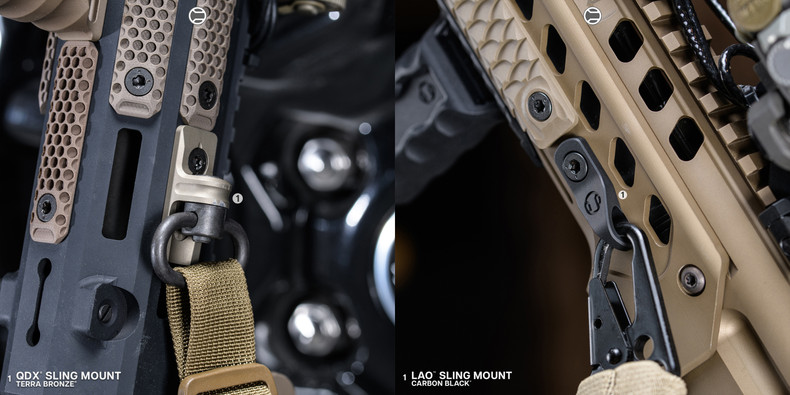
When setting up an AR-15, sling selection often gets most of the attention, while sling attachment hardware is treated as an afterthought. In reality, the sling loop or mounting interface you choose plays a major role in weapon control, durability, noise discipline, and how efficiently the rifle moves with your body. U loops, HK loops, and para loops each serve different purposes, and understanding how they function—especially when mounted on the forend—can significantly improve your overall setup.
This guide breaks down how AR sling styles work, the differences between ULoop's, HK Snap Hooks, and para loops, and how to choose the right option based on mission, environment, and shooting style.
What an AR Sling Loop Actually Does
At its core, a sling loop is the interface between your rifle and your sling. While that sounds simple, this interface determines:
• How freely the rifle can rotate during movement
• How much noise the sling hardware generates
• How well the attachment holds up to dynamic loads
• Whether the sling interferes with support-hand placement or accessories
On the forend, sling loops directly influence how the rifle hangs when transitioning to secondary tasks, how quickly you can shoulder the rifle, and how stable the rifle feels when cinched into the sling for support or positional shooting.
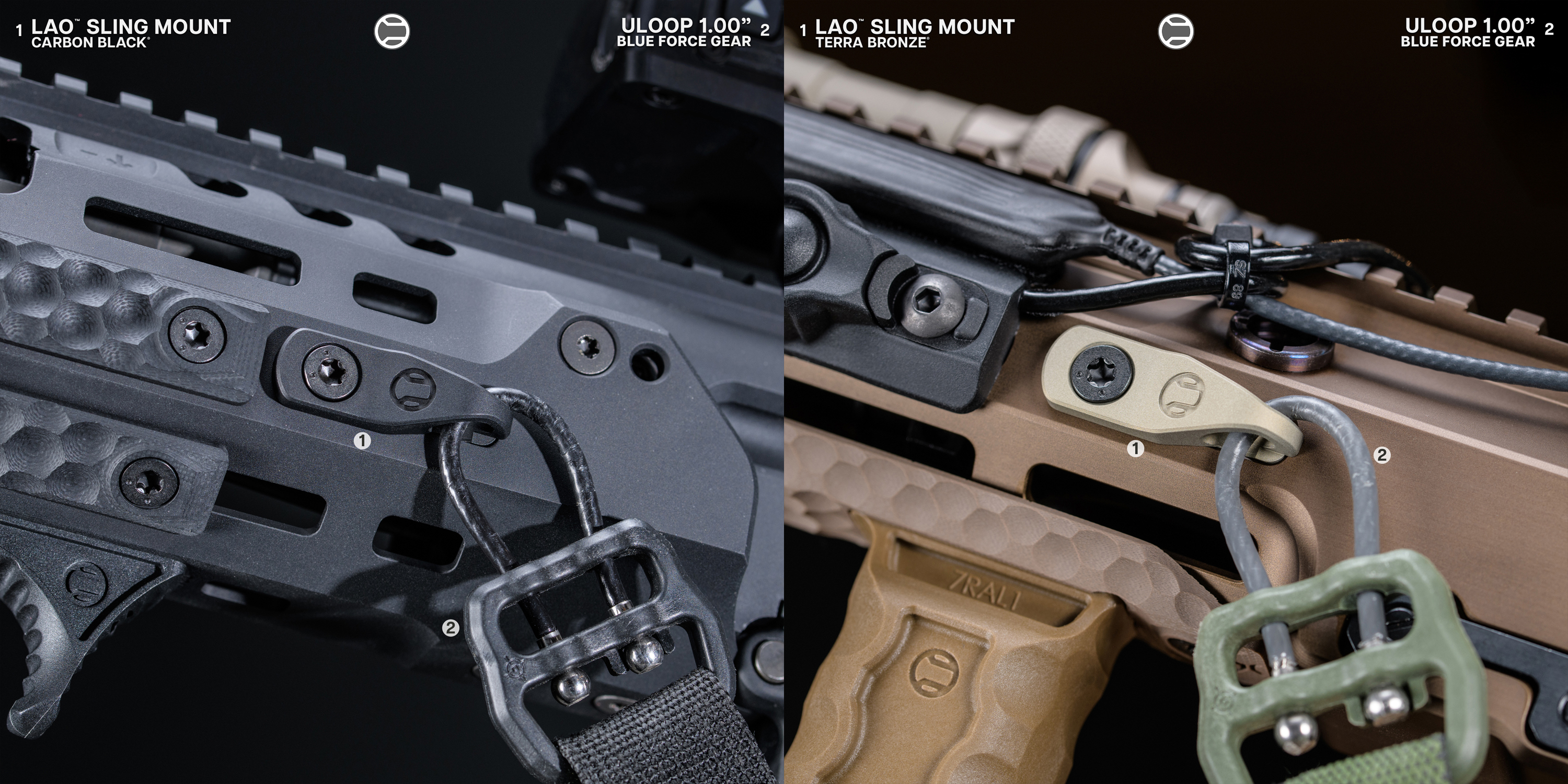
ULoop Overview
A ULoop is a rigid or semi-rigid sling attachment point made by Blue Force Gear, designed to be mounted through holes in handguards and small sling eyelets found on H&K weapons, SCARs, and other weapon systems.
Key Characteristics of ULoops
• Fixed orientation with limited rotation
• Extremely durable under load
• Minimal moving parts reduce failure points
• Quieter than metal hook systems when paired with soft sling hardware
Best Use Cases
ULoops excel in setups where simplicity and reliability are prioritized. They are commonly used on hunting rifles, patrol rifles, and general-purpose builds where silent carry and consistent rifle orientation matter more than rapid sling removal.
On the forend, a ULoop offers predictable sling geometry that does not rotate unexpectedly during movement.
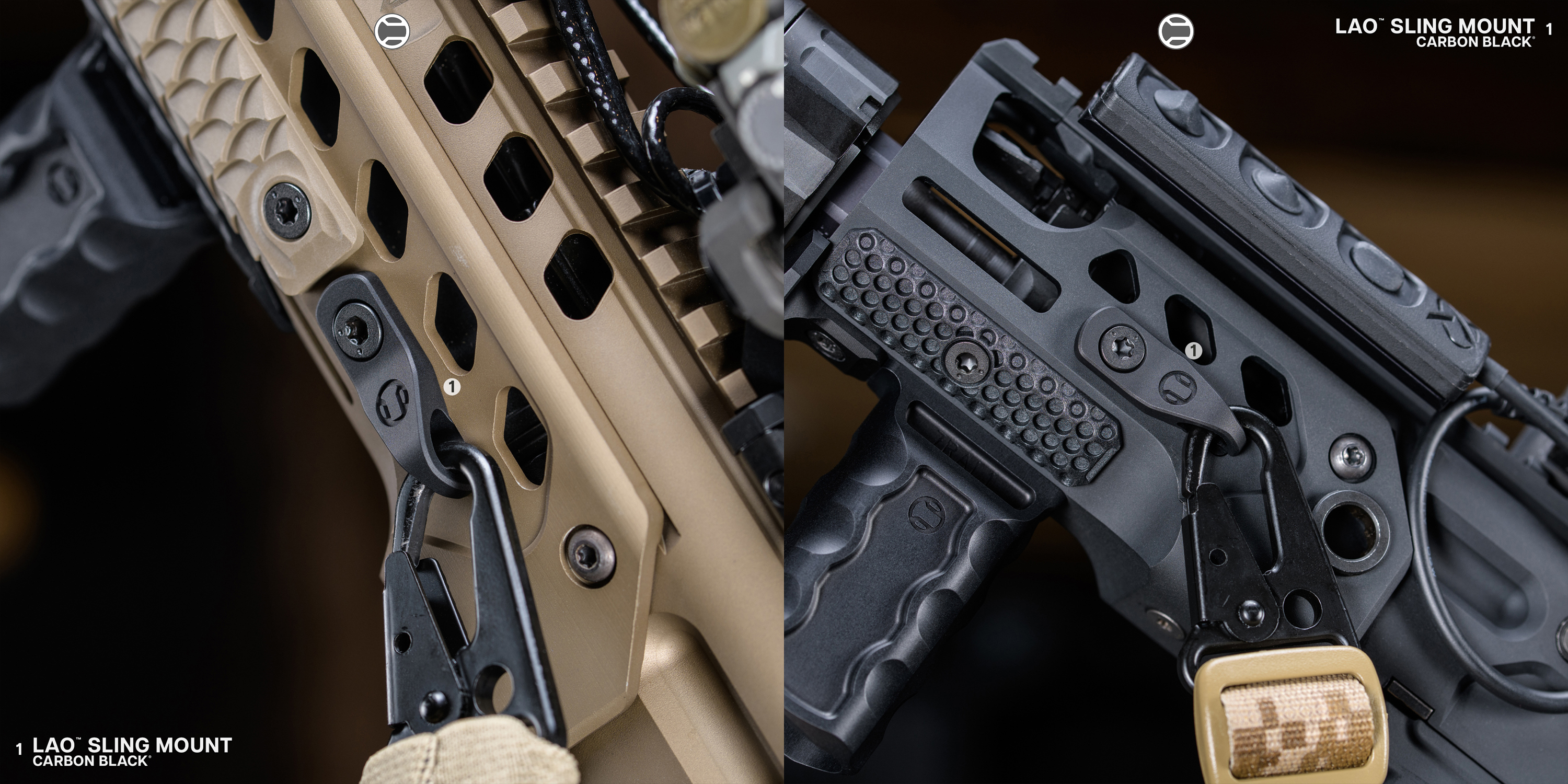
HK Snap Hook Overview
An HK-Style Snap Hook is designed to interface with smaller sling eyelets found on H&K weapons, SCARs, SIG's, etc, a staple of military and law enforcement sling systems.
Key Characteristics of HK Snap Hooks
• Rapid attachment and removal
• Broad compatibility with duty-style slings
• Allows controlled rotation
• Proven durability in high-stress environments
Tradeoffs
The primary downside of HK Snap Hooks is noise. Metal-on-metal contact can produce audible clicking during movement if not managed carefully. Placement and hardware selection can mitigate this, but it remains a consideration for hunters and users operating in quiet environments.
On the forend, HK Snap Hooks are often favored for duty rifles, training guns, and setups where sling reconfiguration is common.
Para Loop Overview
A para loop is a flexible sling attachment point typically constructed from cordage or reinforced webbing.
Key Characteristics of Para Loops
• Extremely lightweight
• Nearly silent in operation
• Conforms naturally to movement
• Minimal snag profile
Why Shooters Choose Para Loops
Para loops are popular among shooters who prioritize weight savings, simplicity, and adaptability. Their flexibility allows the sling to move naturally with the rifle, reducing binding when transitioning shoulders or shooting from unconventional positions.
They are commonly used on lightweight AR builds, field rifles, and rifles intended for extended carry.
Comparison Table: AR Sling Loop Types
| Feature | ULoop | HK Snap Hook | Para Loop |
| Noise | Very Low | Moderate-High | Minimal |
| Rotation | Limited | Moderate | High |
| Durability | Very High | Very High | Material-dependant |
| Weight | Low | Moderate | Very Low |
| Quick Detach | No | Yes | No |
| Best For | Hunting, patrol, GP rifles | Duty, training, tactical | Lightweight, field, minimalist builds |

Rail-Mounted Sling Loops and RailScales Integration
Modern M-LOK handguards allow sling loops to be placed exactly where they support movement without interfering with grip or accessories. Rail-mounted solutions provide better ergonomics than traditional fixed front sling points.
RailScales’ sling-related accessories focus on three principles:
• Low-profile geometry to minimize snagging
• Efficient use of M-LOK slots, especially on shorter rails
• Compatibility with multiple sling attachment styles
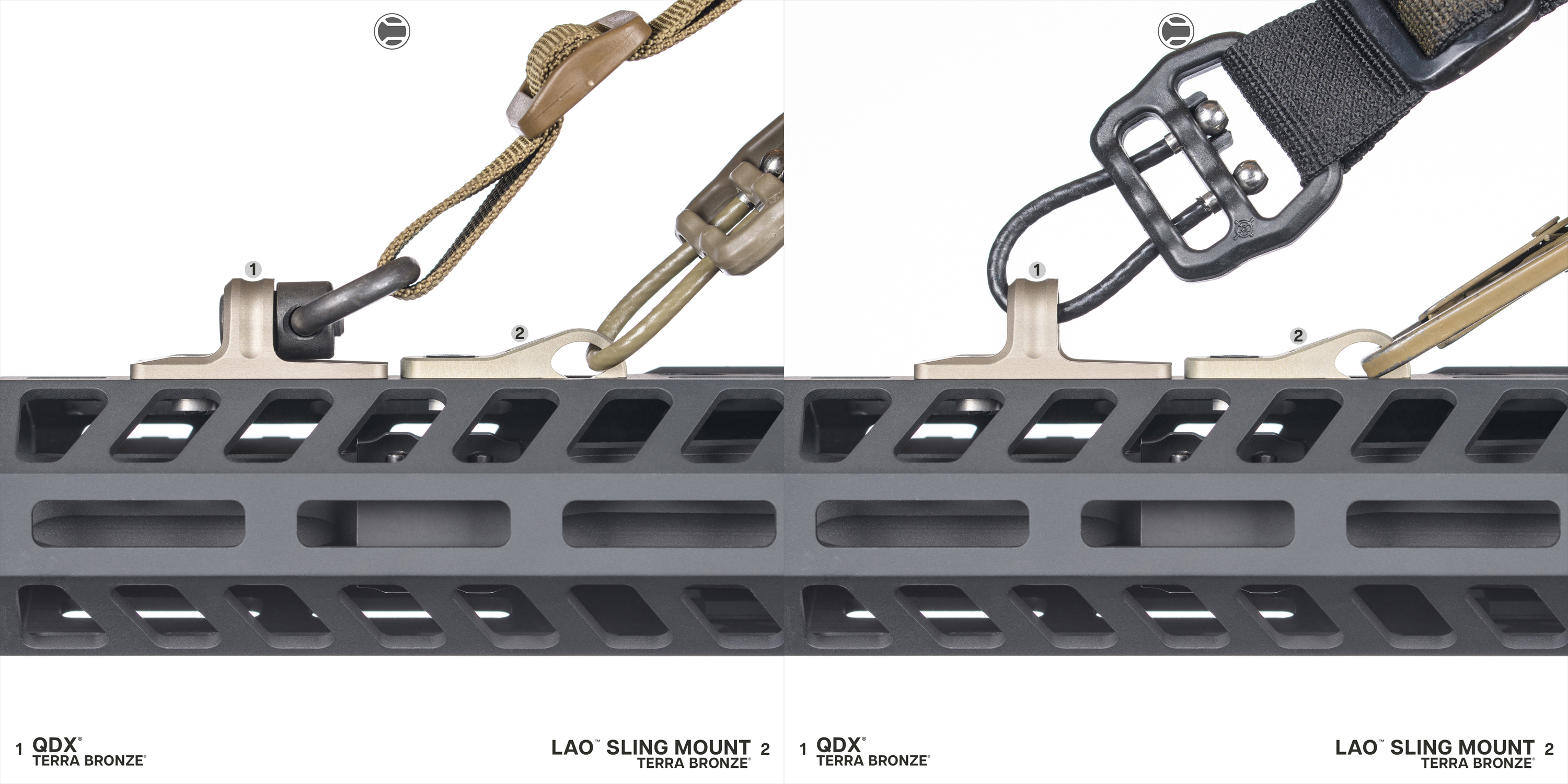
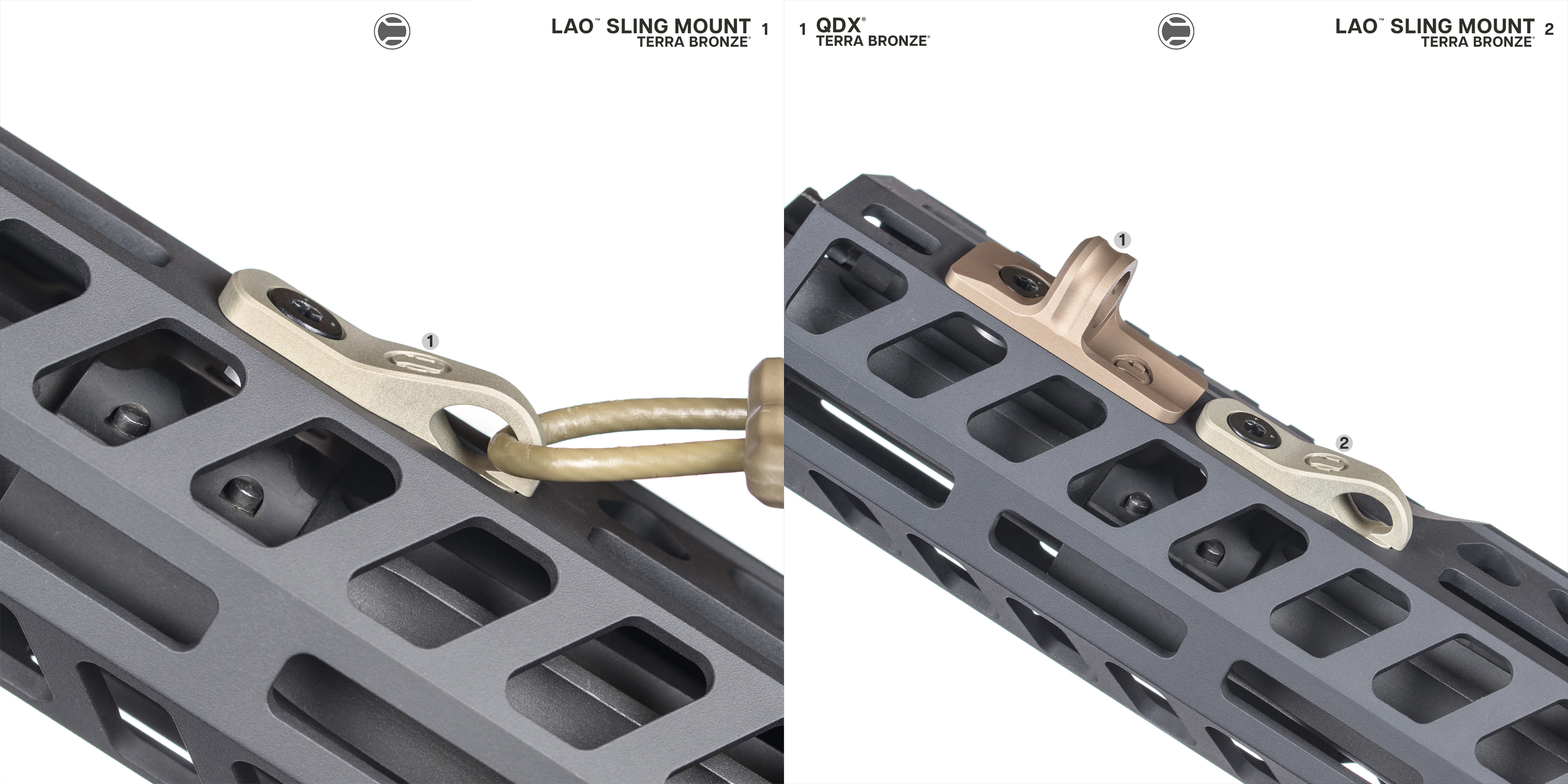
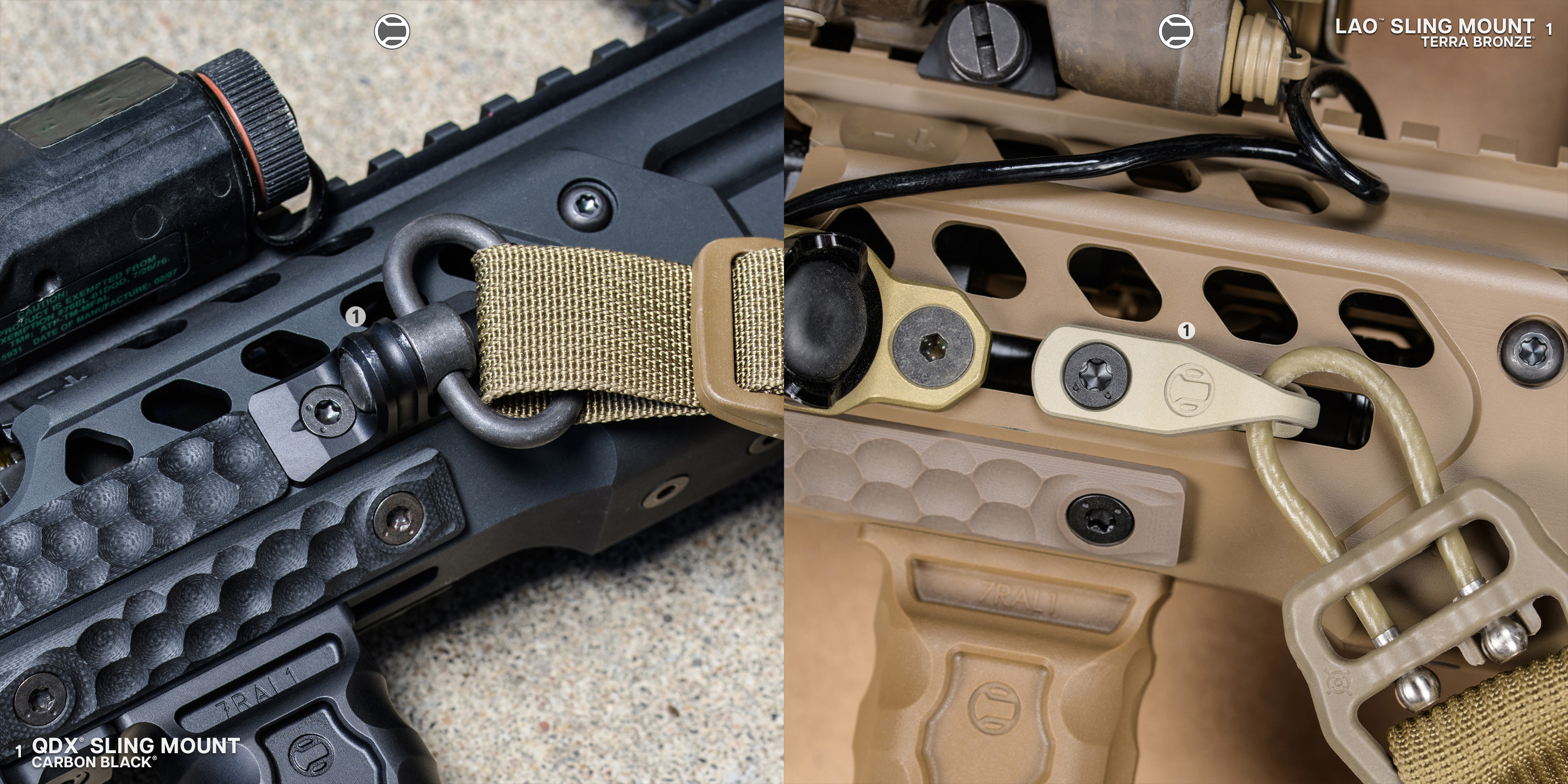
Products like the QDX® Sling Mount exemplify this approach by reducing height off the rail and allowing parallel QD insertion, while still supporting HK-style hooks. When paired with XOS-H rail panels, sling hardware can integrate cleanly into the forend without disrupting grip placement or heat mitigation.
Another RailScales product, the LAO™ Sling Mount, is the lowest profile sling eyelet mount for ULoop, HK Hook and para loop slings that we offer. The LAO sling mount utilizes the negative space inherent in the MLOK slot to lower the 0.250" through hole below the surface of the forend rail. Having the through hole sit in the negative space of the MLOK slot, makes the LAO sling mount a near zero footprint.
This allows shooters to build a cohesive system where sling attachment, grip indexing, and heat management work together rather than competing for space.
Sling Loop Placement on the Forend
Proper placement matters as much as loop type. Consider:
• Forward placement improves control when cinching into the sling for support
• Rearward placement reduces sling interference with barricades and grips
• Offset mounting helps avoid pressure-switch cabling and hand placement conflicts
The goal is to keep the sling accessible without crowding the rail or forcing awkward hand positions.
Choosing the Right Sling Loop for Your AR
There is no universal best option. Instead, match the loop type to how the rifle is used:
• Choose a ULoop for quiet carry and simplicity
• Choose an HK Snap Hook for fast detach capability and duty sling compatibility
• Choose a para loop for lightweight, low-noise setups
Your sling type, rail length, and shooting environment should guide the final decision.
FAQ: AR Sling Loops and Forend Mounting
Q: Are sling loops better than QD mounts?
A: Neither is inherently better. Sling loops offer simplicity and durability, while QD mounts provide faster detachment. Many shooters use both depending on position and use case.
Q: Can I use HK hooks with para loops?
A: Generally no. HK hooks are designed for rigid loops. Para loops are best paired with webbing or soft attachment methods.
Q: Where should I mount a sling loop on the forend?
A: Most shooters prefer mounting near the front of the handguard, offset slightly to avoid grip interference. Exact placement depends on rail length and grip style.
Q: Will a sling loop interfere with handstops or vertical grips?
A: Not if placed intentionally. Low-profile mounts and careful slot selection prevent overlap with control accessories.
Q: Are sling loops durable enough for dynamic movement?
A: Yes—when properly mounted and constructed from quality materials, sling loops handle aggressive movement and load without issue.
Final Thoughts On AR Sling Accessories
Sling loops may be small components, but they play an outsized role in how an AR-15 carries, handles, and performs. Understanding the differences between U loops, HK loops, and para loops allows shooters to build rifles that move naturally with them rather than against them.
When paired with thoughtful rail-mounted accessories in 2026, proper sling loop placement completes the system—enhancing comfort, control, and efficiency without adding unnecessary weight or complexity.
Disclaimer:
This blog content was generated by a human and with the aid of artificial intelligence. It may contain errors or inaccuracies and should not be relied upon as a substitute for professional advice. This content is for SEO/entertainment purposes only and the views expressed in this content does not necessarily reflect the views of RailScales LLC. For more information, please refer to bullet point #13 on our FAQ.