
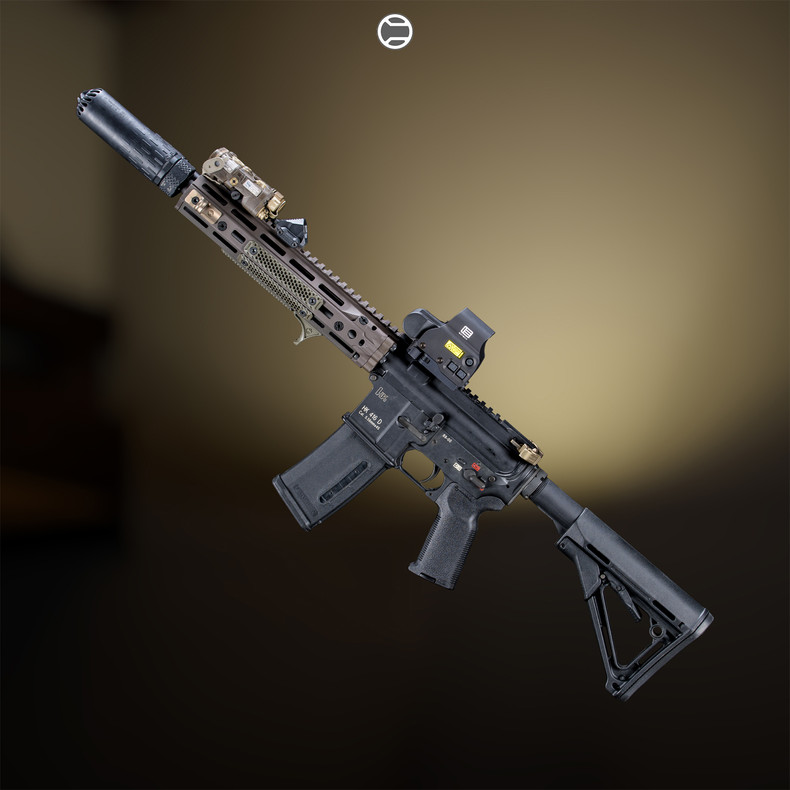
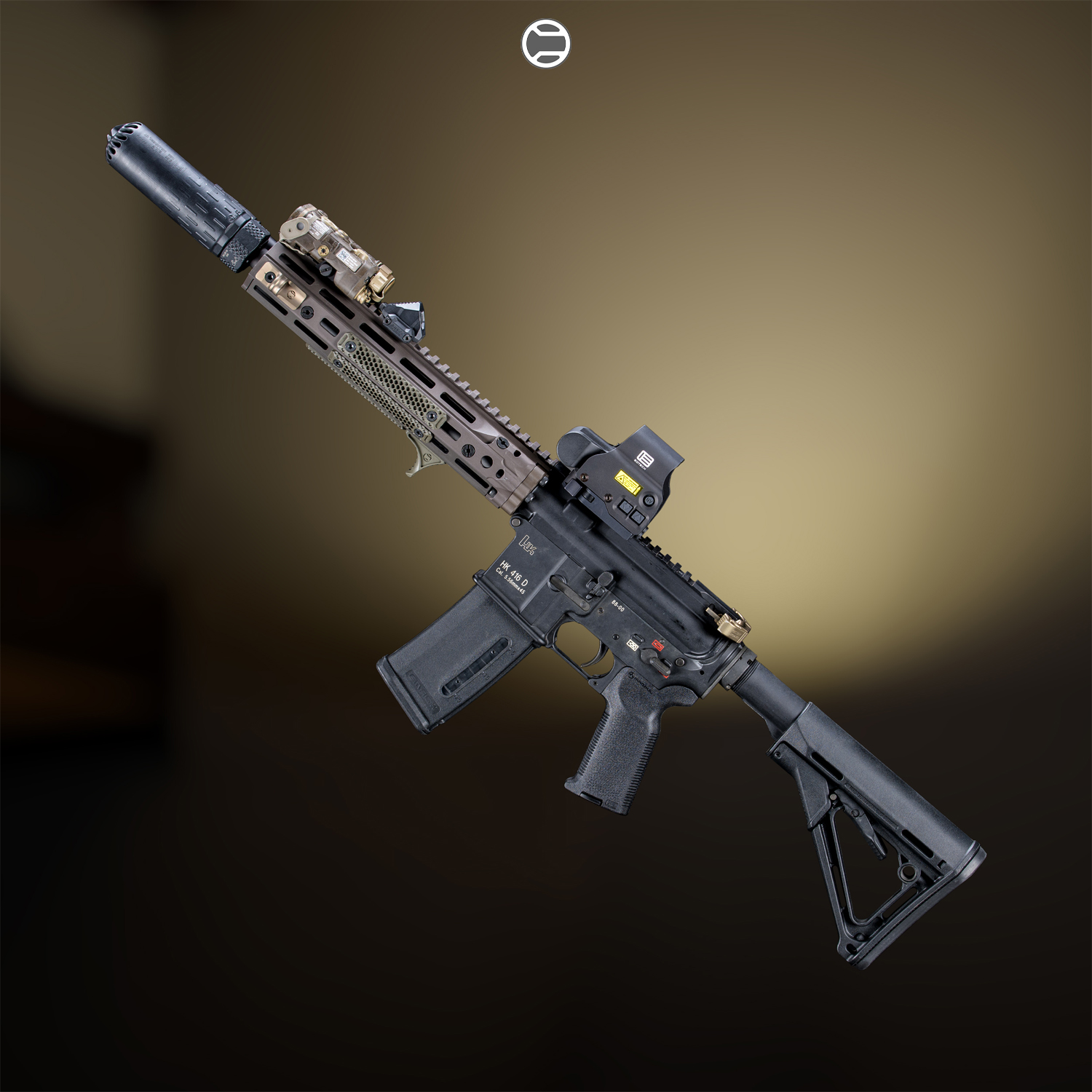
Weight Considerations for the AR-15 Platform: Balancing Comfort and Performance
There’s no denying that the AR-15 is widely celebrated for its modularity—often referred to as a "Lego gun." Given how compartmentalized the AR ecosystem is, swapping components is generally straightforward, assuming you ensure part compatibility. If you are already consistent about field-stripping and thoroughly cleaning your rifle, replacing hardware should be second nature.
However, this ease of customization often leads owners to outfit their firearms as heavily as a Swiss Army Knife. While accessorizing is fine if you can comfortably hoist the rifle and maintain absolute control, minimizing front-end weight can offer substantial field benefits. Does weight truly matter when outfitting your AR-15?
Understanding Overall Rifle Weight: It’s All Relative
When optimizing an AR-15 setup, the most important factor is individual shooting comfort. Because it is a powerful piece of machinery, configuring your setup to ensure a firm grip without causing near-instant fatigue is a critical safety consideration.
Individual Physical Capabilities
There is no universal, "correct" weight range. What feels comfortably light to one shooter might be taxing to another. Every ounce must be evaluated relative to your unique height, weight, and physical strength:
-
Larger Frame / Higher Strength: A ten-pound rifle may feel nimble and completely manageable.
-
Smaller Frame / Lower Mass: That exact same ten-pound configuration can rapidly degrade shooting endurance and stance stability.
Shooting Stationary (Supported vs. Unsupported)
Choosing custom AR parts varies based on your primary application. If you primarily shoot at a static range, you have more opportunities to fire from supported positions:
-
Supported Stances: Utilizing sandbags, shooting sticks, or a bench rest removes a significant portion of the physical burden from your arms.
-
Recoil Management: Even when propped on a rest, you must still mitigate recoil and maintain a solid grip. If your rifle's weight distribution impedes quick manipulation, transitioning to lighter peripheral components can be highly beneficial.
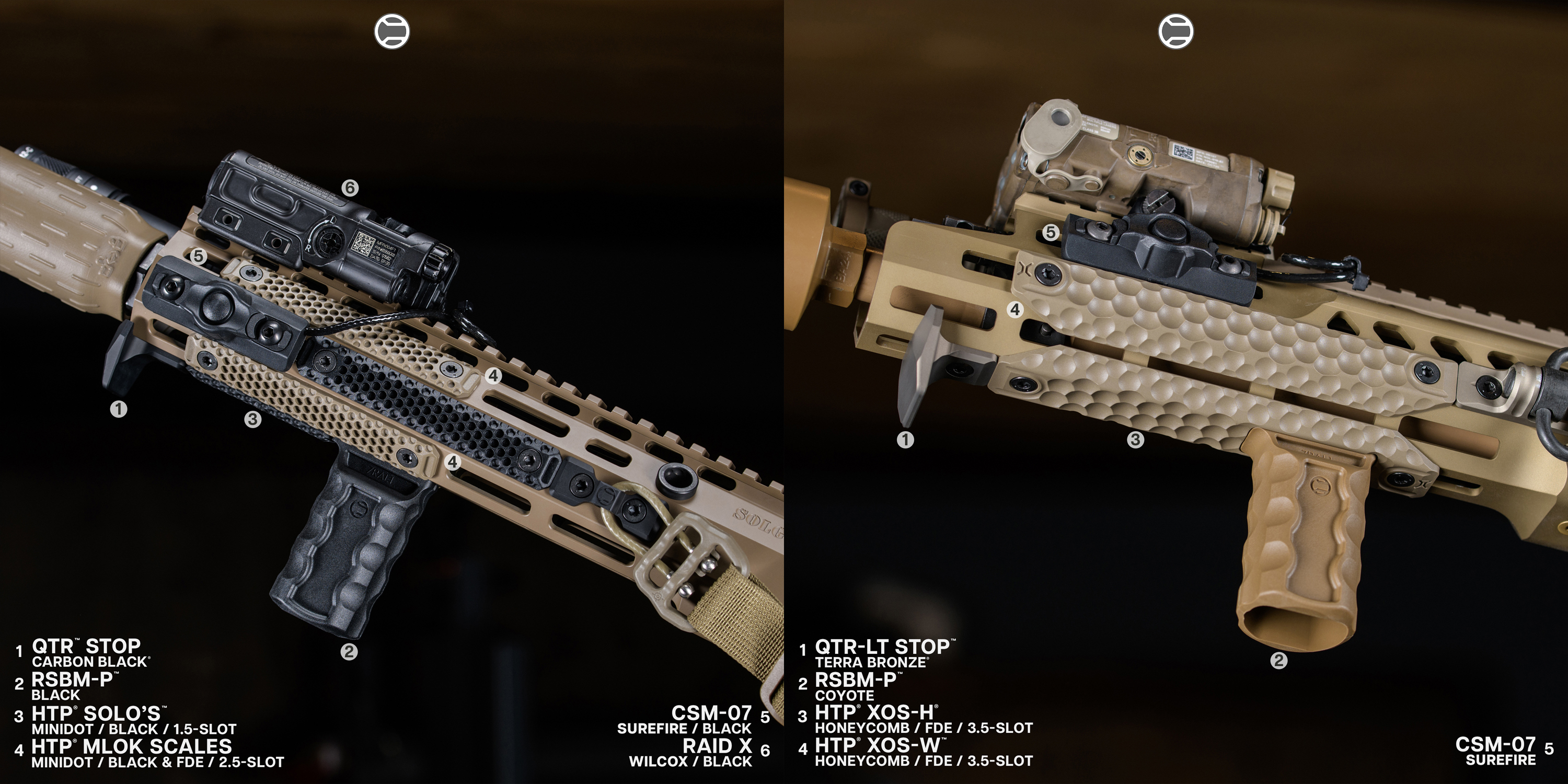
Shooting on the Move
Dynamic training or hunting brings entirely different physical challenges. When navigating terrain or clearing targets, rifle weight dictates how fast you can snap the weapon from an at-rest carry to a presentation-ready stance—and how frequently you can repeat that motion.
-
The Fatigue Compound: During a long stalk or extended drill, a heavy front-end accelerates arm fatigue every time the rifle is shouldered.
-
The Mass Advantage: Conversely, a bit of extra mass can help dampen minor micro-tremors or physical twitches while softening the initial felt recoil pulse. Balancing this trade-off requires tuning the rifle to your specific strength level.
Streamlining Your Setups: Smart Weight Reduction
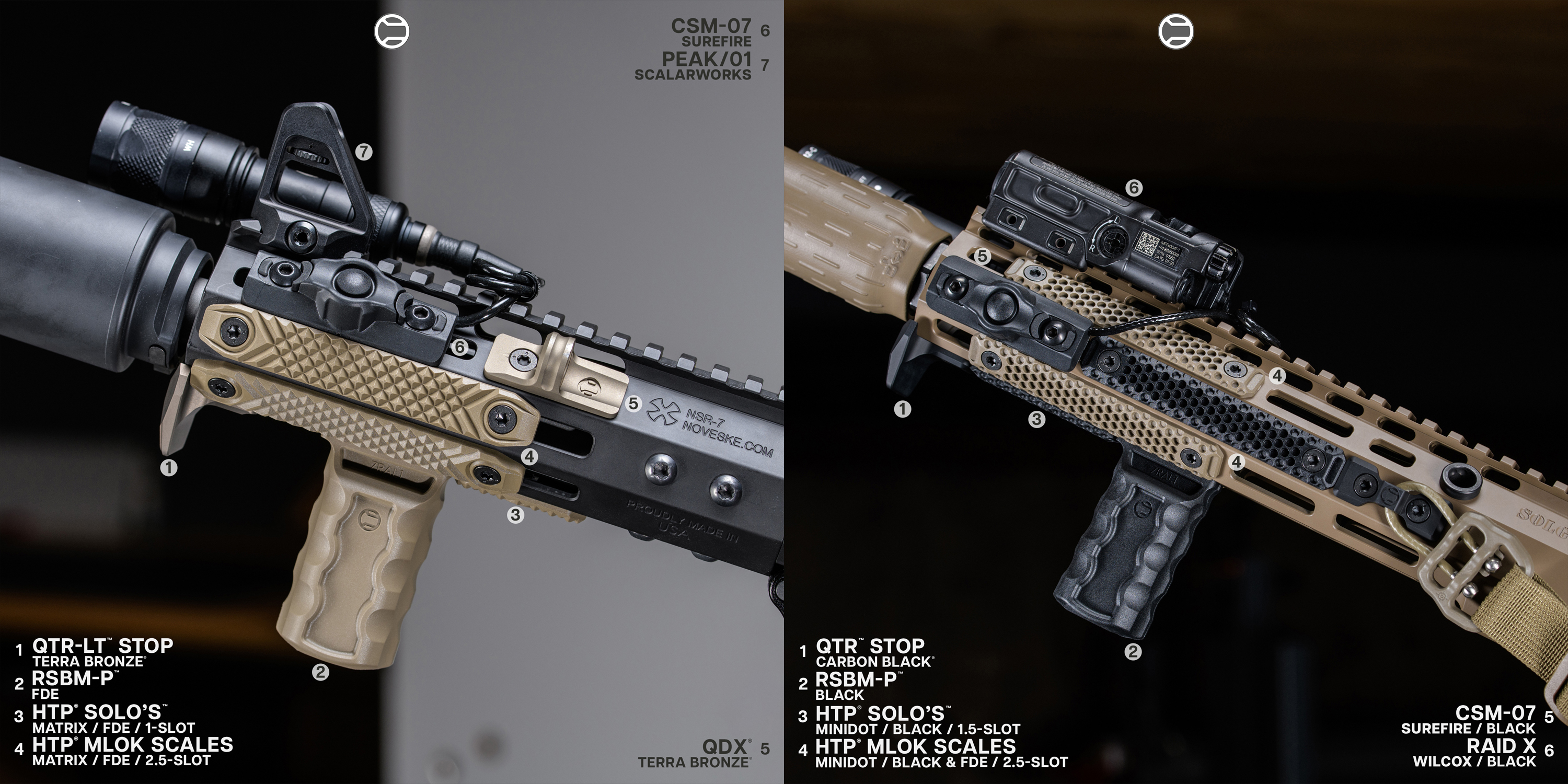
Adding a generous handful of ounces for an optic, weapon light, and secondary attachments can add up surprisingly fast. Before moving to major structural changes, look to simple upgrades that offer premium functionality without a heavy penalty.
Traditional heat-protective rail grips can add massive bulk to deliver necessary thermal shielding—but they don't have to. RailScales® engineers ultra-low-profile solutions that deliver absolute hand protection and enhanced grip friction while keeping the front end thin and light.
Advanced Weight Optimization: Complementary RailScales® Products
-
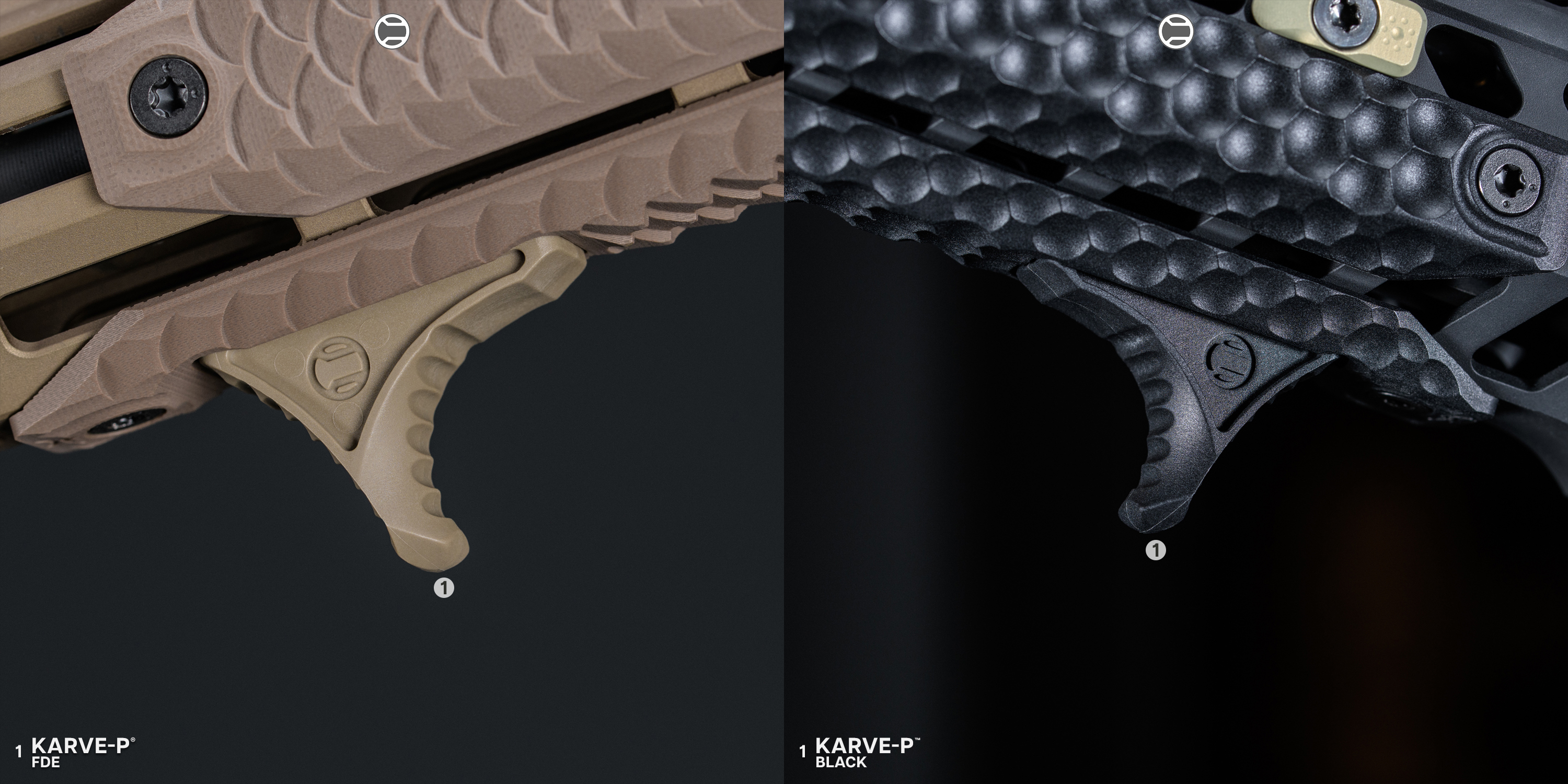
The Karve-P® (Polymer Minimalist Control): If your primary goal is building a hyper-lightweight rifle for shooting on the move, this bi-directional handstop is the ultimate minimalist addition. Injection-molded from our high-temperature polymer, it populates a single M-LOK slot to provide a repeatable anchor point without shifting your handguard's balance.
-
HTP® NIR™ Scales (Featherweight Thermal Barriers): For shooters looking to fully wrap a slim handguard for multi-angle protection without adding the physical mass of machined composite laminates. These scales mimic the exact patented thinness of our G10 line but utilize an ultra-lightweight polymer compound that is fully NIR-compliant for night-vision operations.
-
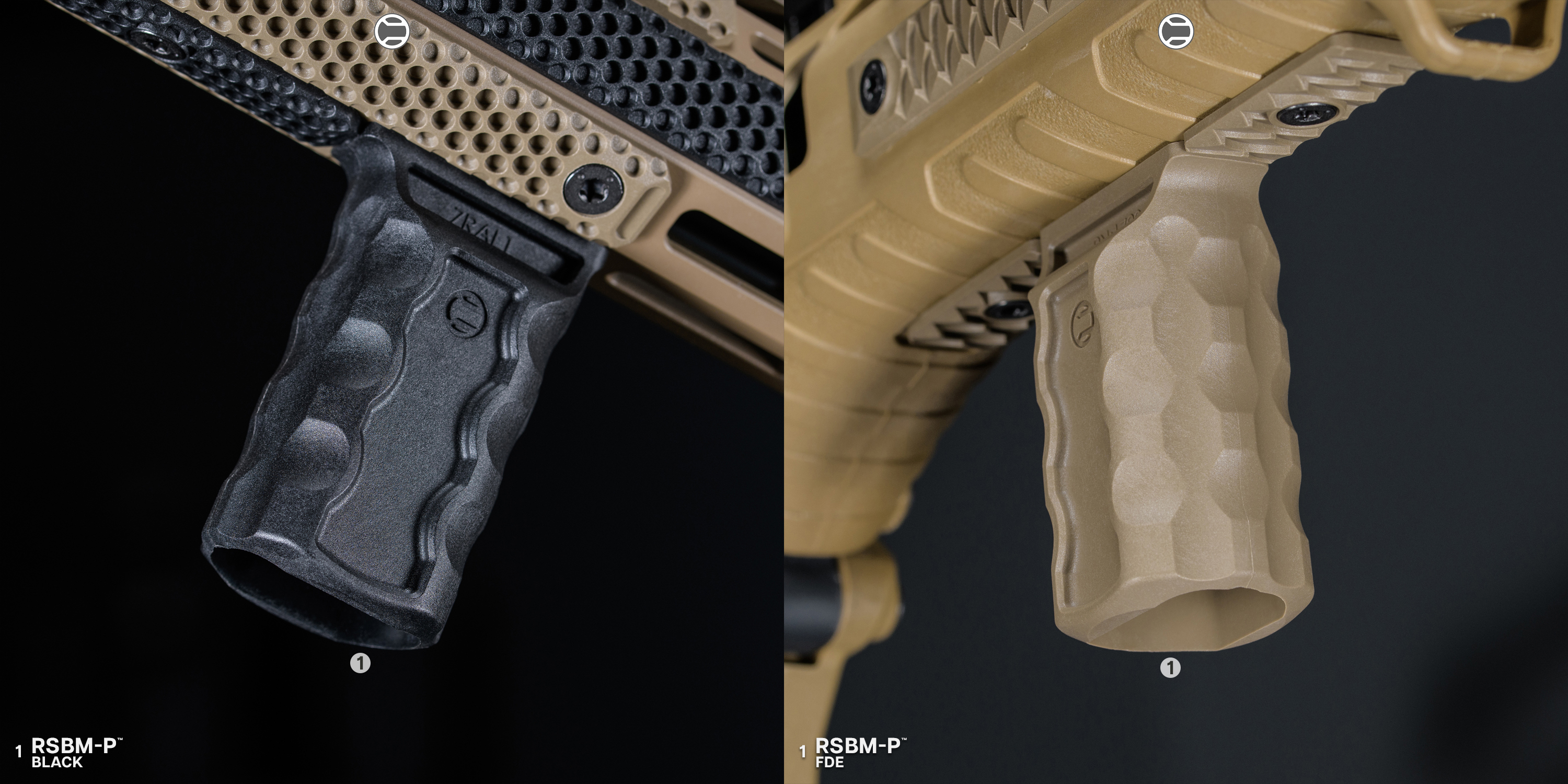
RSBM-P™ (Minimalist Vertical Grip): When your shooting style demands a vertical interface to reduce wrist strain during long hunts, heavy metal grips can make the rifle feel sluggish. The RSBM-P™ features a compact, hollowed profile that maximizes handling leverage while shedding unnecessary ounces from your support arm.

-
QDX™ M-LOK Sling Mount: Every gram counts when managing physical fatigue. Traditional QD sling mounts are bulky, separate blocks on the side of the rail. The QDX™ is a single-piece, ultra-low-profile mount machined from 7075-T6 aluminum that sits nearly flush within a single M-LOK slot, reducing bulk and snag hazards simultaneously.
Frequently Asked Questions About Lightenting Your AR-15 (FAQ)
Q: How does front-end weight affect rifle manipulation compared to rear weight? A: Ounces added to the far end of your handguard feel significantly heavier than ounces added near the receiver due to mechanical leverage. A heavy front-end slows target transitions and accelerates arm fatigue when shooting unsupported or moving dynamically.
Q: Will switching from thick rubber rail wraps to G10 or HTP® scales save weight? A: Yes. Thick rubber or silicone wraps add substantial width and mass. RailScales® are engineered to be ultra-thin, providing professional-grade heat mitigation and texture with a minimal footprint and negligible weight.
Q: Does a heavier rifle always reduce recoil better than a light one? A: Physically, a heavier rifle absorbs more recoil energy, which can make stationary bench shooting feel smoother. However, if the rifle is too heavy for your frame, the resulting muscle fatigue will degrade your accuracy and presentation speed far more than the minor "kick" of a lightweight rifle would.
Q: Can I trust polymer accessories like the Karve-P® on a hard-use rifle? A: Absolutely. RailScales® uses a premium glass-filled high-temperature polymer blend specifically formulated to withstand the extreme barrel temperatures of rapid-fire strings without melting, warping, or cracking.
Disclaimer:
This blog content was generated by a human and with the aid of artificial intelligence. It may contain errors or inaccuracies and should not be relied upon as a substitute for professional advice. This content is for SEO/entertainment purposes only and the views expressed in this content does not necessarily reflect the views of RailScales LLC. For more information, please refer to bullet point #13 on our FAQ.