
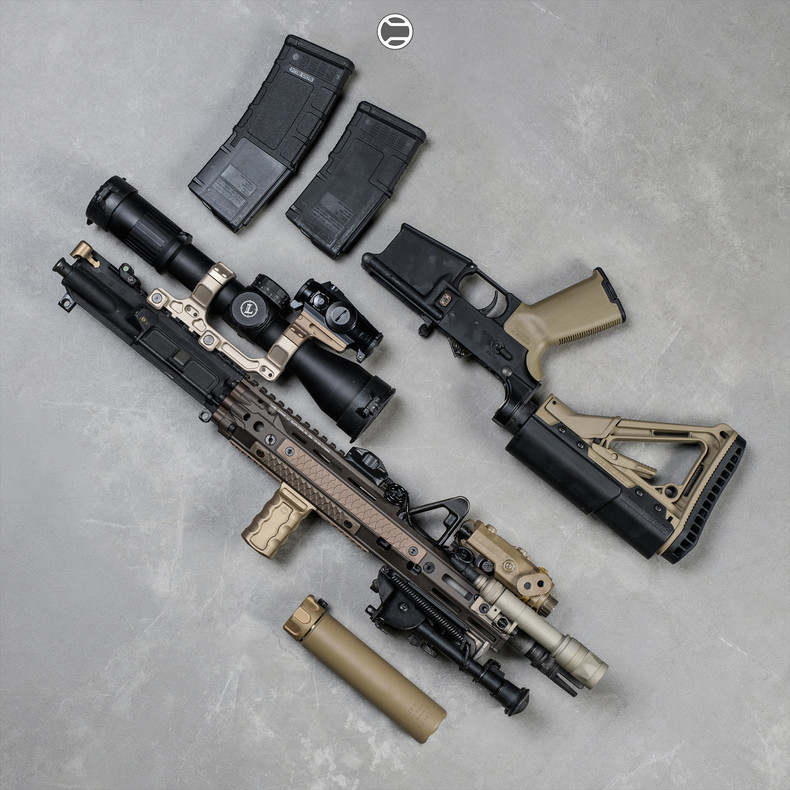
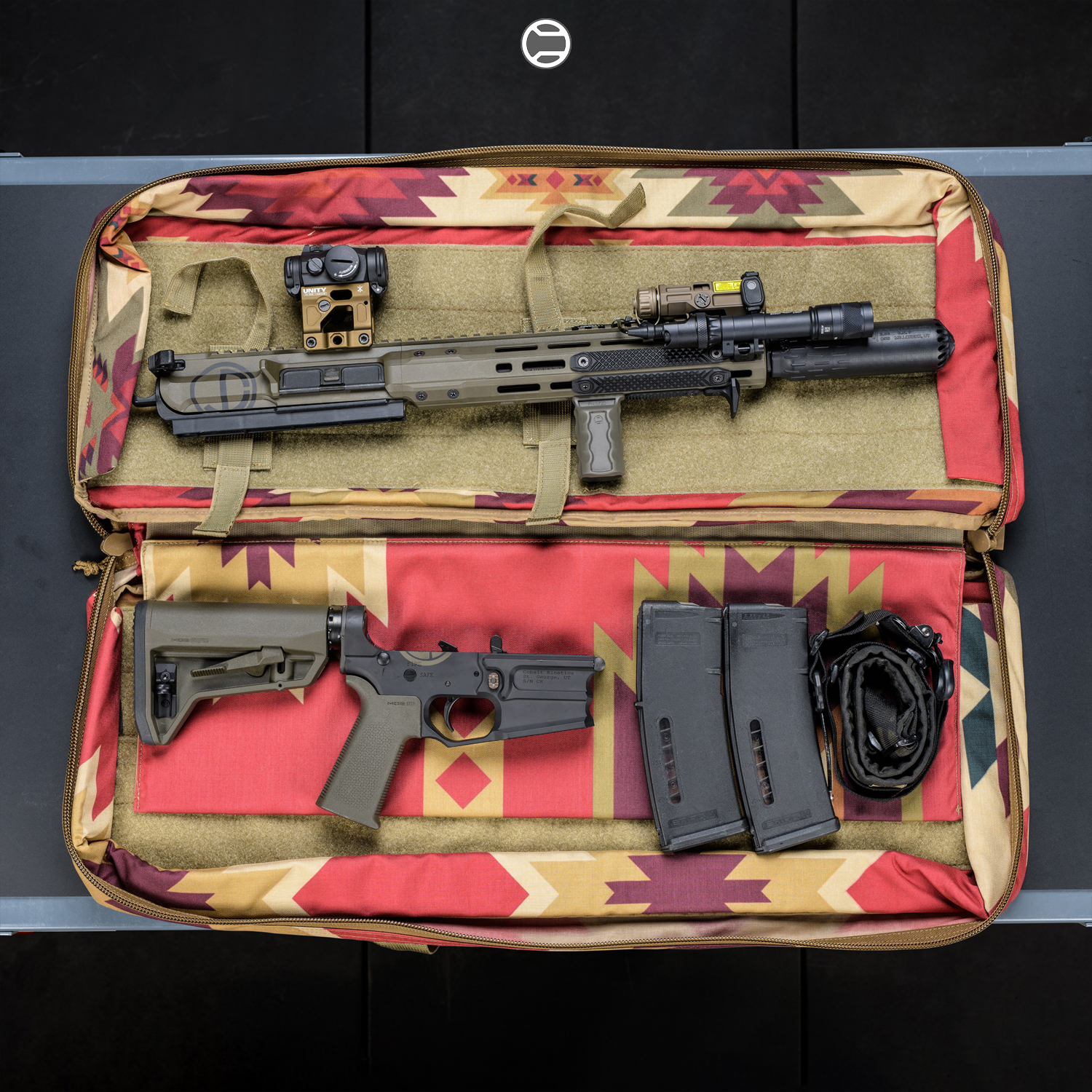
When assembling or upgrading an AR-15, one of the most significant decisions you will make is how you source your top end. Should you start with a bare, blank canvas and select every component piece by piece, or buy a factory-assembled unit that is ready to pin onto your lower receiver immediately?
Understanding the trade-offs between a stripped upper receiver and a complete upper receiver will ensure you choose the path that aligns best with your technical experience, budget, and performance goals.
What Is a Stripped Upper Receiver?
A stripped upper receiver is the bare metal housing (typically forged or billet 7075-T6 aluminum) that forms the structural core of the top end of an AR-15. In its stripped form, it contains no internal parts or attached assemblies. It is simply the shell featuring the upper picatinny rail, the barrel extension socket, the ejection port opening, and the forward assist cavity.
Building from a Mil-Spec stripped upper receiver requires you to source and install every individual component yourself, providing 100% control over part selection.
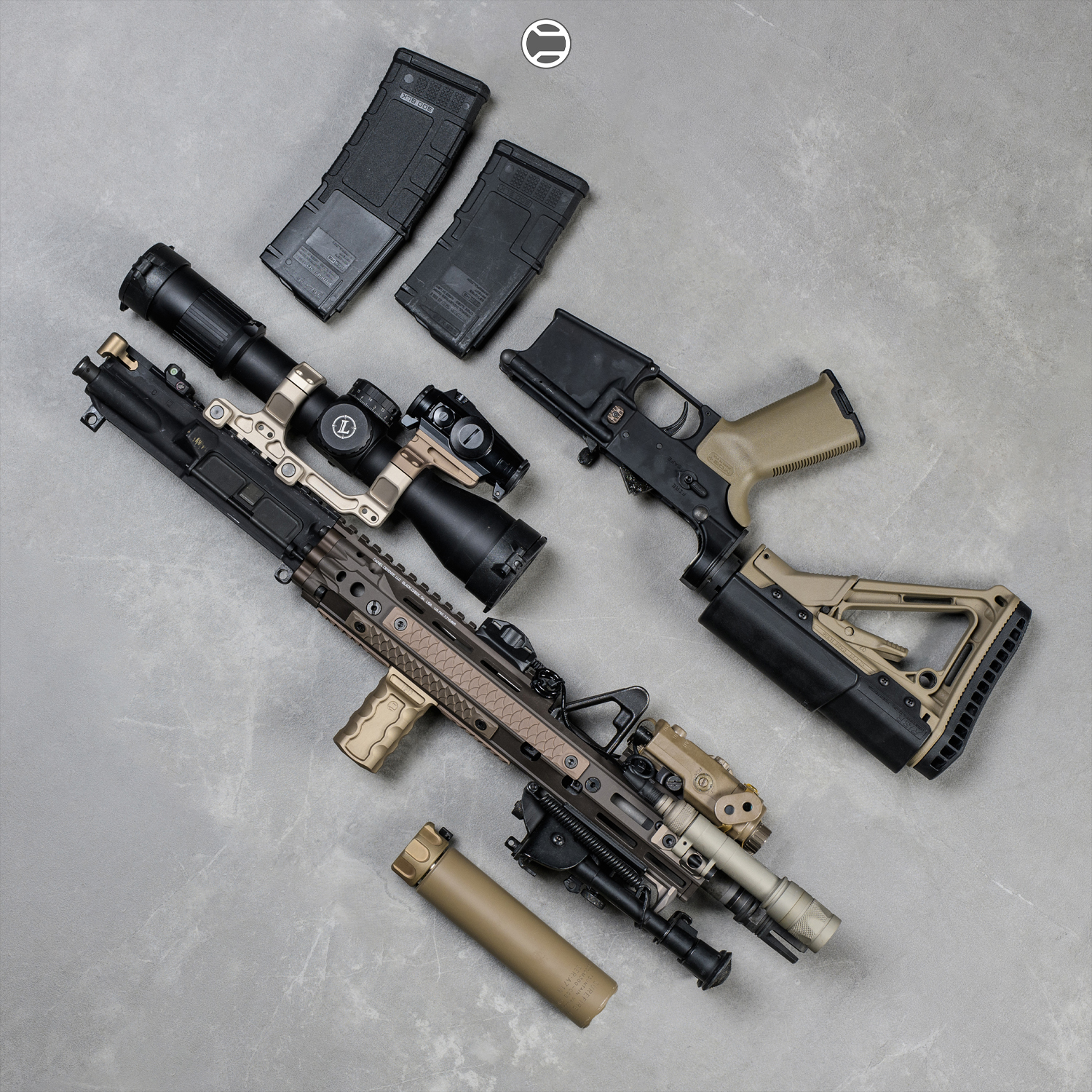
What Is a Complete Upper Receiver?
A complete upper receiver comes fully assembled straight from the manufacturer. It includes the upper housing, barrel assembly, gas block, gas tube, handguard/rail, forward assist, port door, bolt carrier group (BCG), and charging handle.
Complete uppers are factory headspaced, test-fired, and ready to be attached to any standard AR-15 lower receiver using the pivot and takedown pins without requiring specialized armorer tools.
Stripped Upper Receiver vs. Complete Upper: What's the Difference?
| Feature/Aspect | Stripped Upper Receiver Build | Complete Upper Receiver |
| Assembly Required | High (Requires tools like vise blocks, torque wrenches) | None (Plug-and-play assembly) |
| Customization | Unlimited (Every individual component is user-selected) | Limited (Pre-configured factory specifications) |
| Tooling Needed | Armorer's wrench, torque wrench, vise, roll pin punches | None |
| Initial Cost | Spread out over time as parts are sourced | Paid all at once upfront |
| Headspacing & Testing | User must verify headspace and torque specs | Factory tested and headspaced by manufacturer |
Pros and Cons of Building with a Stripped Upper Receiver
Pros:
• Total Customization: You are not locked into factory choices for barrel profiles, gas system lengths, handguards, or BCG coatings.
• Component-Level Quality Control: You can match a match-grade barrel with a low-profile gas block and a high-end handguard from the very beginning.
• In-Depth Platform Knowledge: Assembling a stripped upper teaches you the mechanical minutiae of gas tube alignment, barrel nut torque, and receiver fitment.
Cons:
• Requires Specialized Tools: You cannot properly assemble a stripped upper without a bench vise, upper receiver rod or vise block, torque wrench, and punch set.
• Time-Consuming: Sourcing individual parts and performing precise assembly takes significantly more time than buying a complete package.
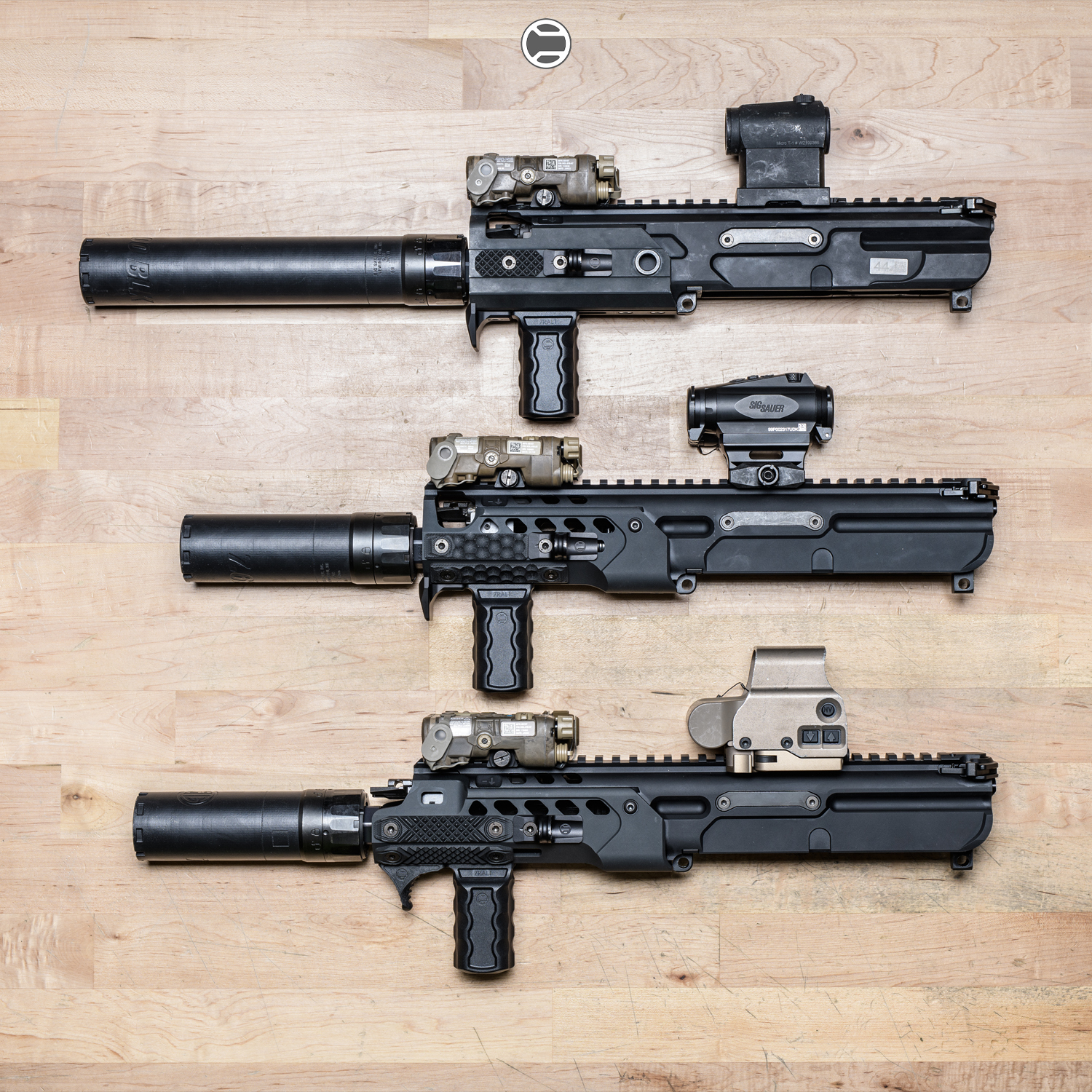
Who Should Choose a Complete Upper Receiver?
A complete upper is the ideal choice for:
• First-Time Builders: Those who want to skip the mechanical complexity of barrel nut torquing and gas block alignment.
• Shooters Seeking Immediate Reliability: Factory uppers come pre-tested and headspaced, minimizing the chance of assembly-induced malfunctions.
• Cost-Conscious Buyers: Buying a factory complete upper is often cheaper than buying every individual component at retail price.
Essential Parts Needed to Complete a Stripped Upper Build
If you decide to take the custom route starting from a bare shell, here is the essential checklist of parts for stripped uppers:
• Upper Hardware Kit: Ejection port cover (dust cover) assembly and forward assist assembly.
• Barrel Assembly: Barrel, barrel nut, and muzzle device (flash hider, brake, or compensator).
• Gas System: Low-profile or pinned gas block and appropriate length gas tube (pistol, carbine, mid-length, or rifle).
• Handguard/Rail System: Free-float M-LOK or KeyMod handguard system.
• Operating Group: Bolt Carrier Group (BCG) and charging handle.
How to Choose the Right Upper Receiver for Your AR-15 Build
• Ask Yourself: What Is the Purpose of the Rifle? If you are building a highly specialized platform—such as an ultra-lightweight backcountry hunting rifle, a dedicated night-vision rig, or a competition match gun—building from a stripped upper receiver allows you to optimize every ounce and angle.
• Evaluate Your Workspace: If you don't have a sturdy workbench with a mounted vise and armorer tools, a complete upper will save you frustration and tool investment costs.
RailScales® Solutions for Upper Receiver Builds
Whether you are completing a custom stripped upper build or upgrading the factory handguard on a complete upper, RailScales® produces the high-performance forward controls needed to finalize your setup:
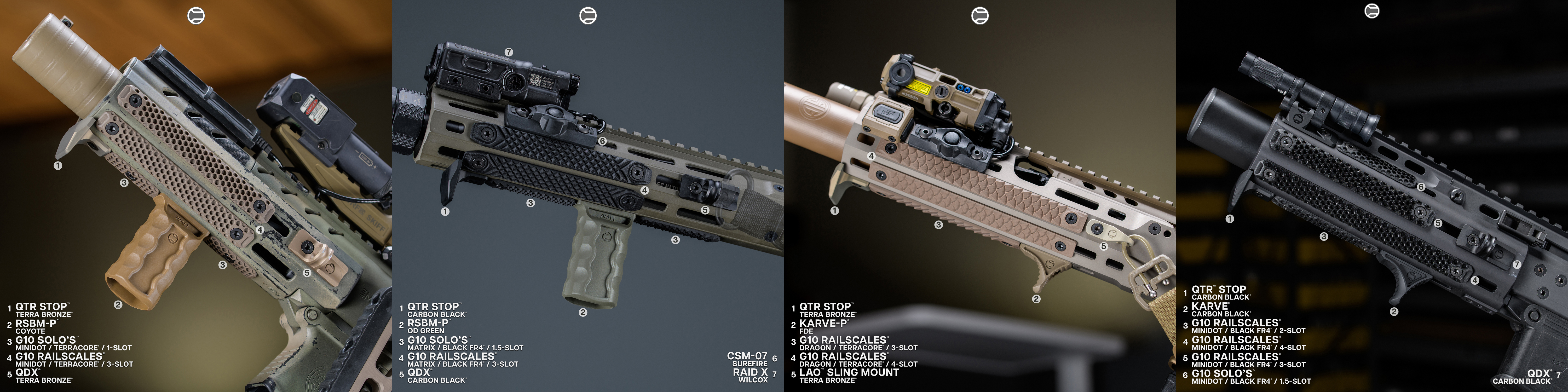
• G10 RailScales®: Machined from premium FR4 laminate, these thin panels protect your support hand from the extreme heat generated near the barrel nut and gas block of custom builds.
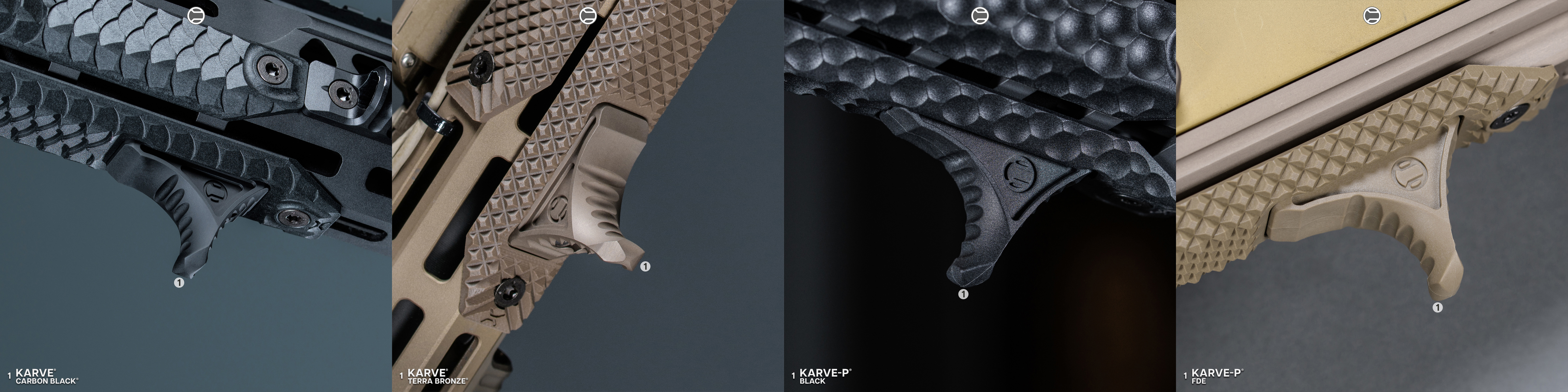
• The Karve® & Karve-P®: Bi-directional minimalist handstops available in CNC-machined 6061-T6 aluminum or High-Temp Polymer, providing a repeatable anchor point for your C-clamp grip.
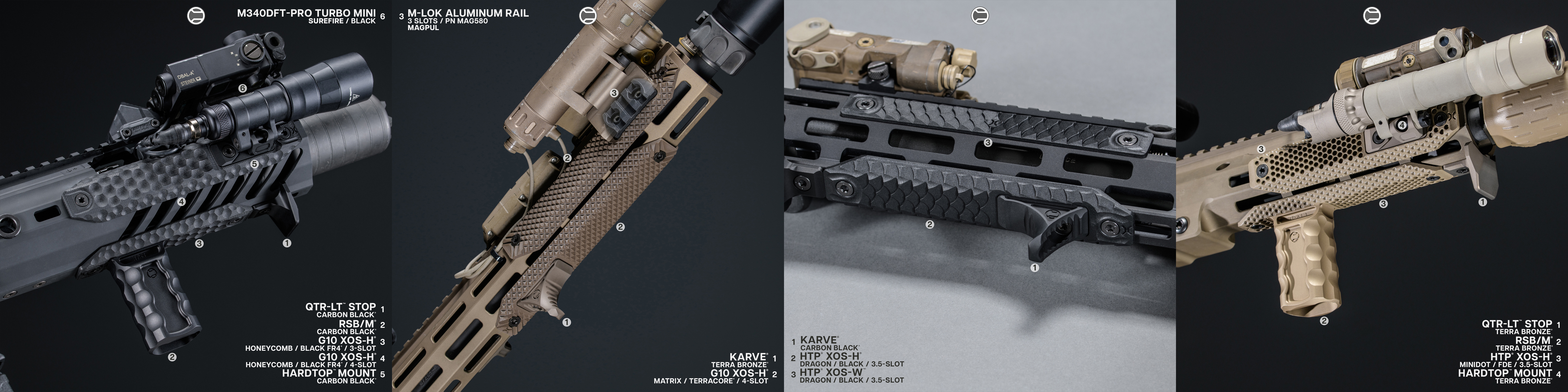
• XOS-H® Scales: Wrap-around 3-sided scales featuring a precision cutout designed to seat the Karve® and other RailScales accessories flush within the texture matrix for a seamless, heat-resistant interface.
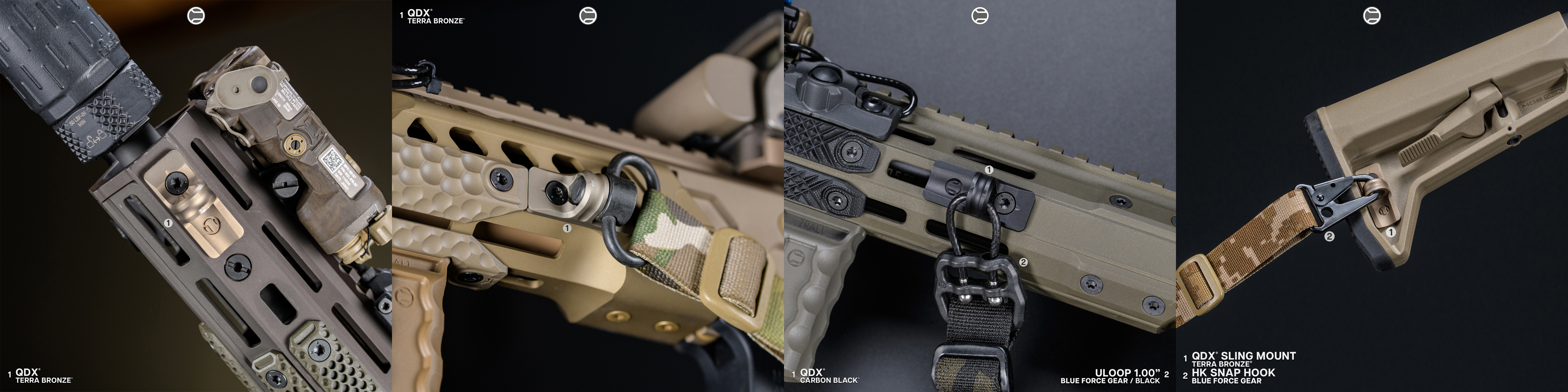
• QDX® M-LOK Sling Mount: An ultra-low-profile 7075-T6 aluminum mount that sits low on your handguard, eliminating bulky mounting blocks and snag hazards.
-
The Anchor-P®: Taking the multi-angle hybrid versatility of the original Anchor® and translating it into a high-temperature polymer construction, the Anchor-P® provides an ultra-lightweight, budget-friendly forward grip option for custom upper builds. Featuring reversible 90-degree and 70-degree faces, it delivers exceptional driving leverage without adding front-end mass to your handguard.
-
HTP® NIR™ Scales: Formulated for low-light and night-vision operations, these injection-molded polymer scales provide a lightweight thermal barrier that is fully NIR-compliant, keeping your upper build invisible under infrared observation.
-
HalfTrack™ & HardTrack™ Picatinny Sections: Designed to be the lightest Picatinny rail adapters available, these M-LOK segments utilize aggressive internal pocketing to eliminate dead weight while providing a rock-solid mounting platform for bipods or night-vision lasers like the PEQ15.
Frequently Asked Questions About Stripped Upper Receivers (FAQ)
Q: Do I need a background check or FFL to buy a stripped upper receiver?
A: No. Unlike the lower receiver (which carries the serial number and is legally classified as the firearm), upper receivers—whether stripped or complete—can be purchased directly online and shipped straight to your door without an FFL transfer.
Q: Is it hard to install an ejection port cover and forward assist on a stripped upper?
A: It requires basic mechanical patience and a small punch/hammer set, but it is relatively straightforward. Many manufacturers also offer "assembled" uppers that come with the dust cover and forward assist pre-installed to save you a step.
Q: How do I know if my barrel and bolt are headspaced correctly on a custom build?
A: Most modern quality AR-15 barrels and BCGs are built to precise Mil-Spec tolerances and match up automatically. However, when assembling a stripped upper, it is always best practice to verify headspace using Go/No-Go gauges before test firing.
Disclaimer:
This blog content was generated by a human and with the aid of artificial intelligence. It may contain errors or inaccuracies and should not be relied upon as a substitute for professional advice. This content is for SEO/entertainment purposes only and the views expressed in this content does not necessarily reflect the views of RailScales LLC. For more information, please refer to bullet point #13 on our FAQ.